Edge of Utopia
Growing up in a rural commune
Gabriel Berent
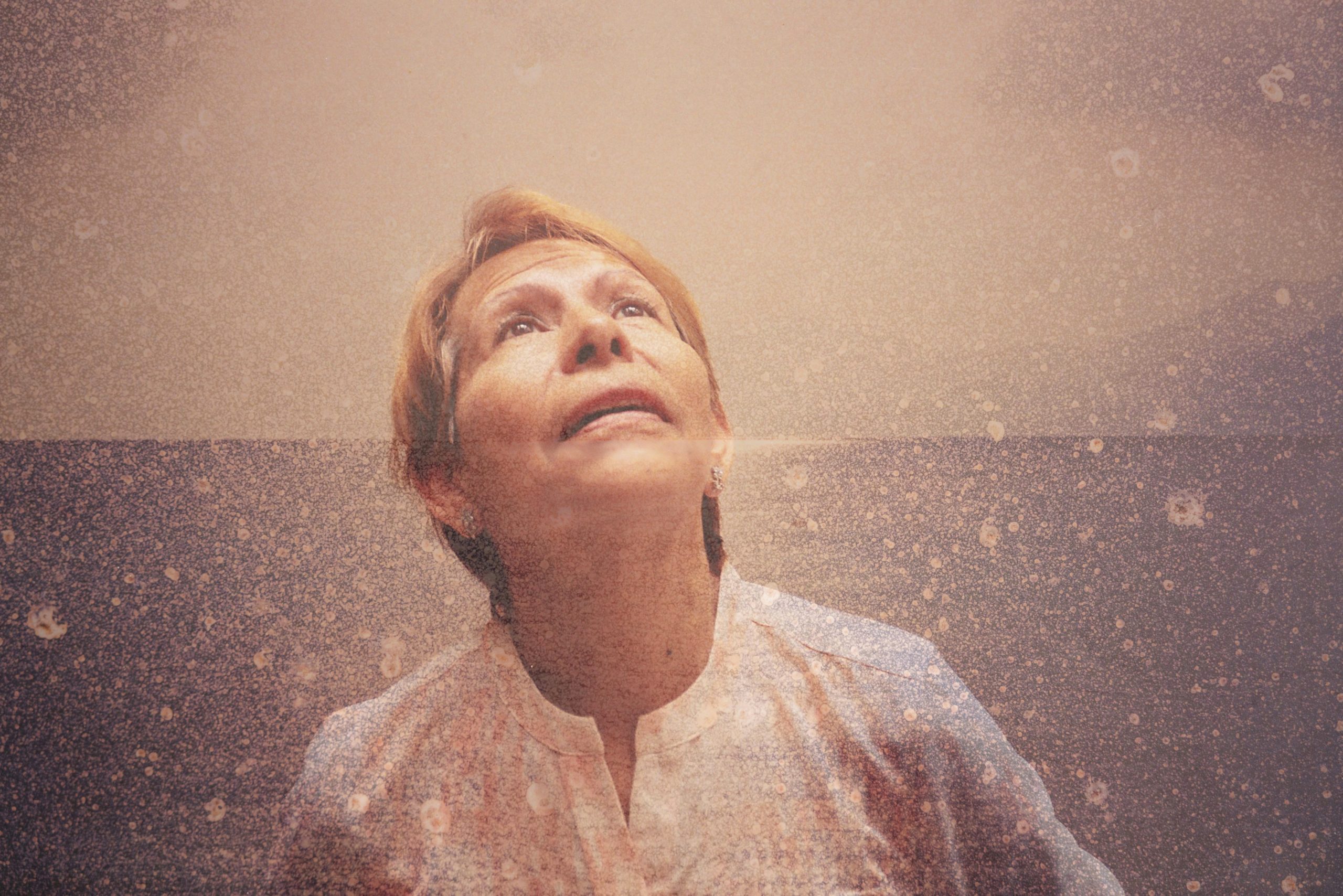
My family and I began to suspect something was wrong with my mom when she grew increasingly forgetful and paranoid. I’d eat a meal in front of her, and minutes later, she’d ask if I’d had lunch yet. She also started accusing people of stealing her things. At first, it was innocuous, like asking friends and family, “Did you take my phone charger?” But soon it escalated to more troubling accusations, like asking strangers if they had stolen her jewelry.
I begged my father to take her to the doctor, but he was in denial. So was my mom. She didn’t trust American doctors. So when she took a trip to Mexico, her home country, I asked my aunt, a doctor she deeply trusted, to bring up the idea of seeing a specialist there. That’s when my mom finally agreed to visit a neurologist.
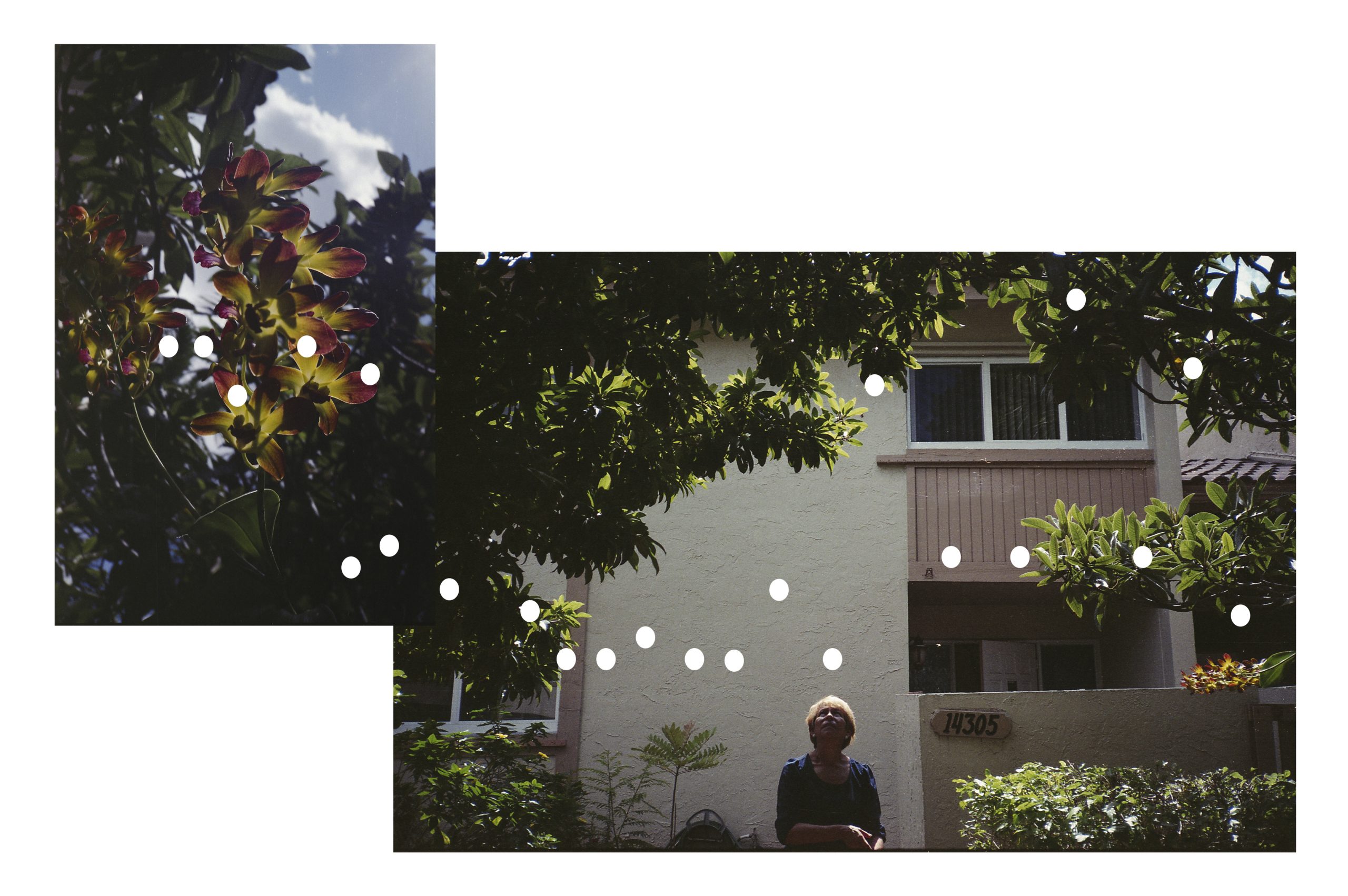
Alicia Vera, Untitled, 2022
After multiple visits, brain scans, and neuropsychological tests, we got the diagnosis: Alzheimer’s disease.
I was devastated.
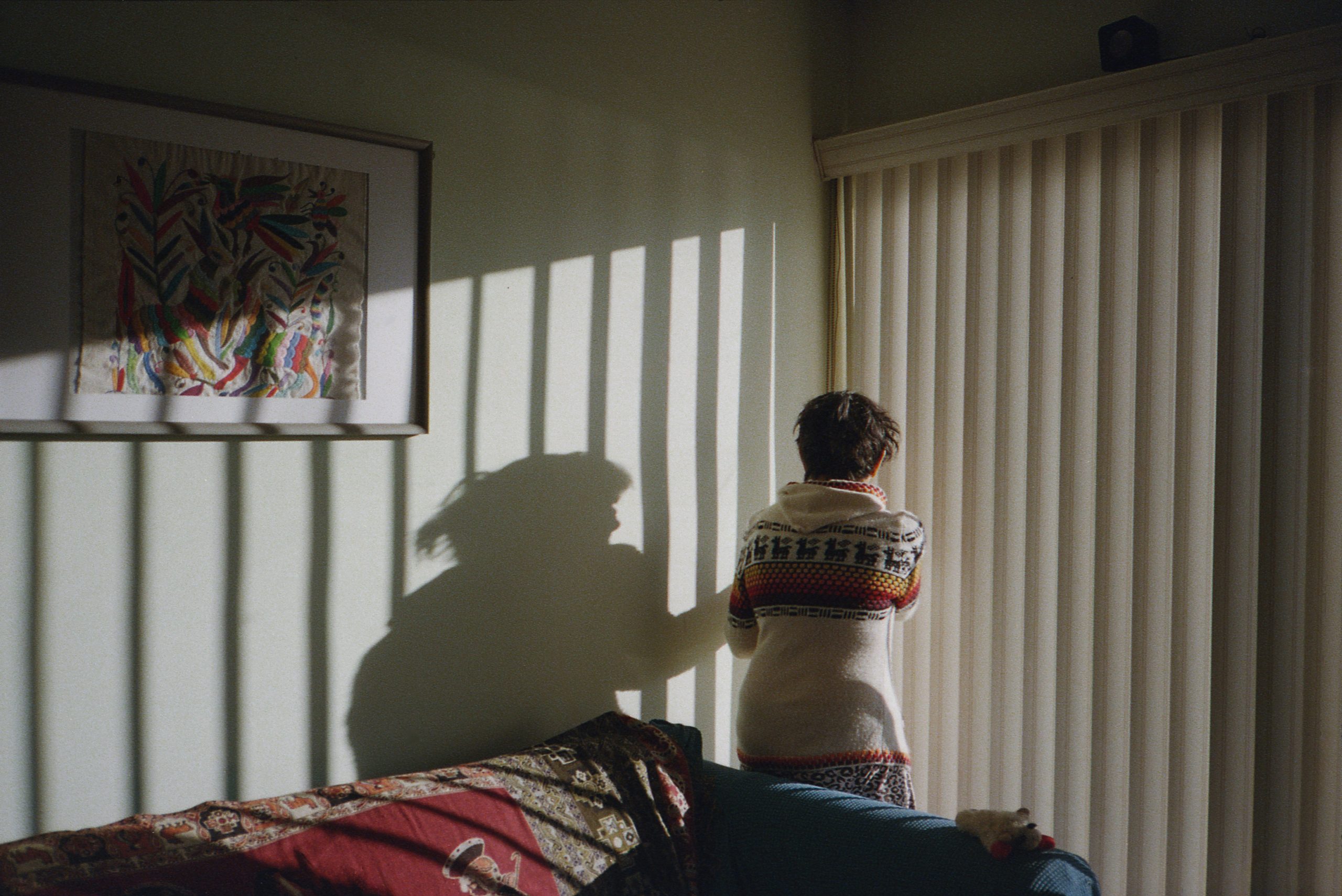
Alicia Vera, Untitled, 2024
Throughout my teenage years, my mom and I clashed constantly. I often felt misunderstood, and when I came out as queer, that sense of disconnection only deepened. My mother, who was raised in conservative Mexico, was shocked by my admission, and our already fragile bond began to unravel. It wasn’t until I left home, first moving across the country, then later to Mexico, that we began to rebuild our relationship. It took years for us to truly begin understanding one another.
In this moment, with clarity from her doctors, I could feel her drifting away from me again. It was like being pulled underwater, unable to breathe.
As a photographer, I’ve built my career on capturing others, but this time, I turned to documenting myself and my mom, trying to make sense of both her diagnosis and my emotional landscape. Every time I traveled back to Miami, where my parents lived, I compulsively photographed everything — my mom, our neighborhood, fragments of our life — knowing that one day, it would all be different.
I’ve struggled with my mental health for years, cycling in and out of therapy, on and off antidepressants. I knew too well the danger of ignoring my emotions.
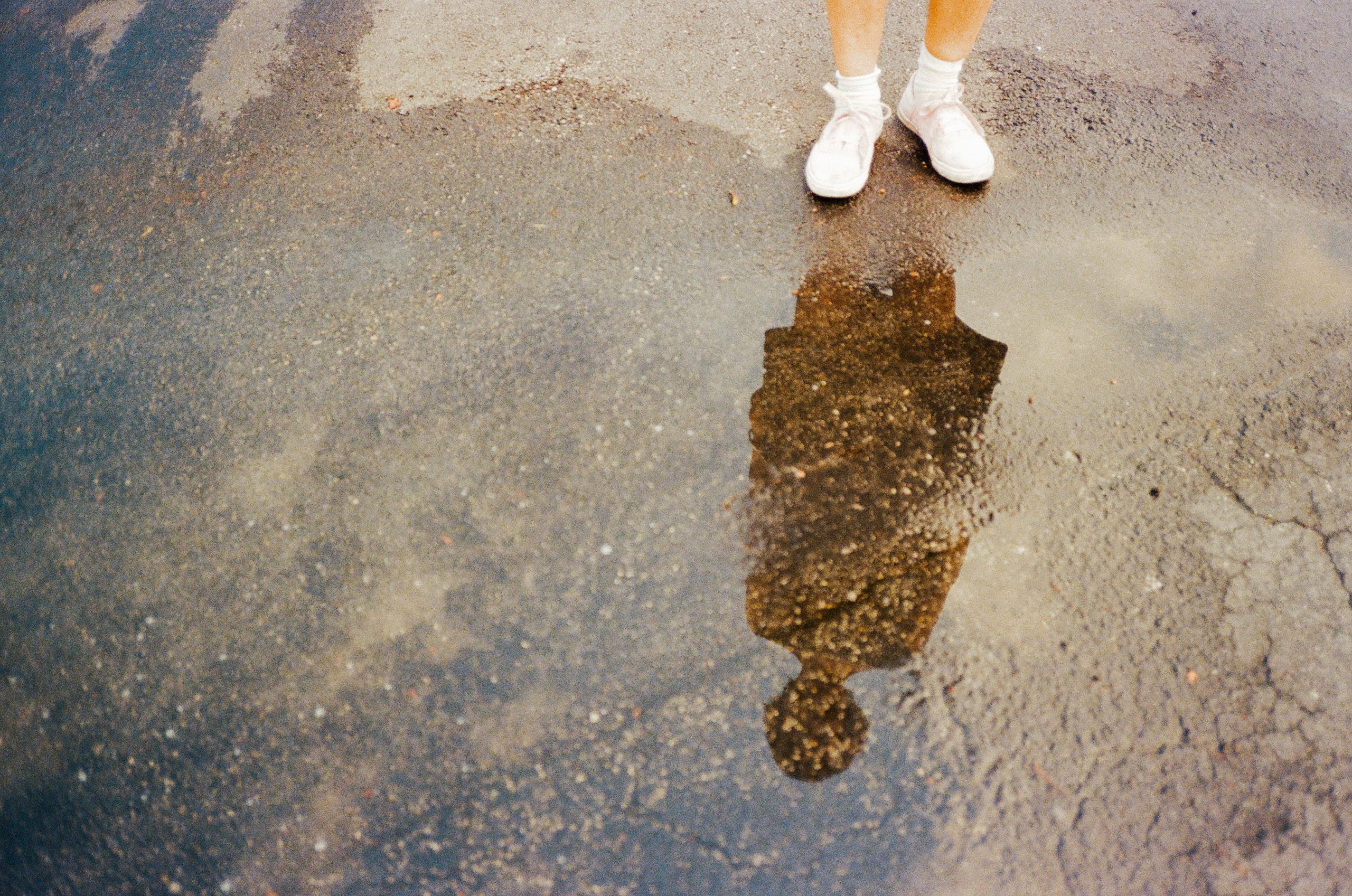
Alicia Vera, Untitled, 2024
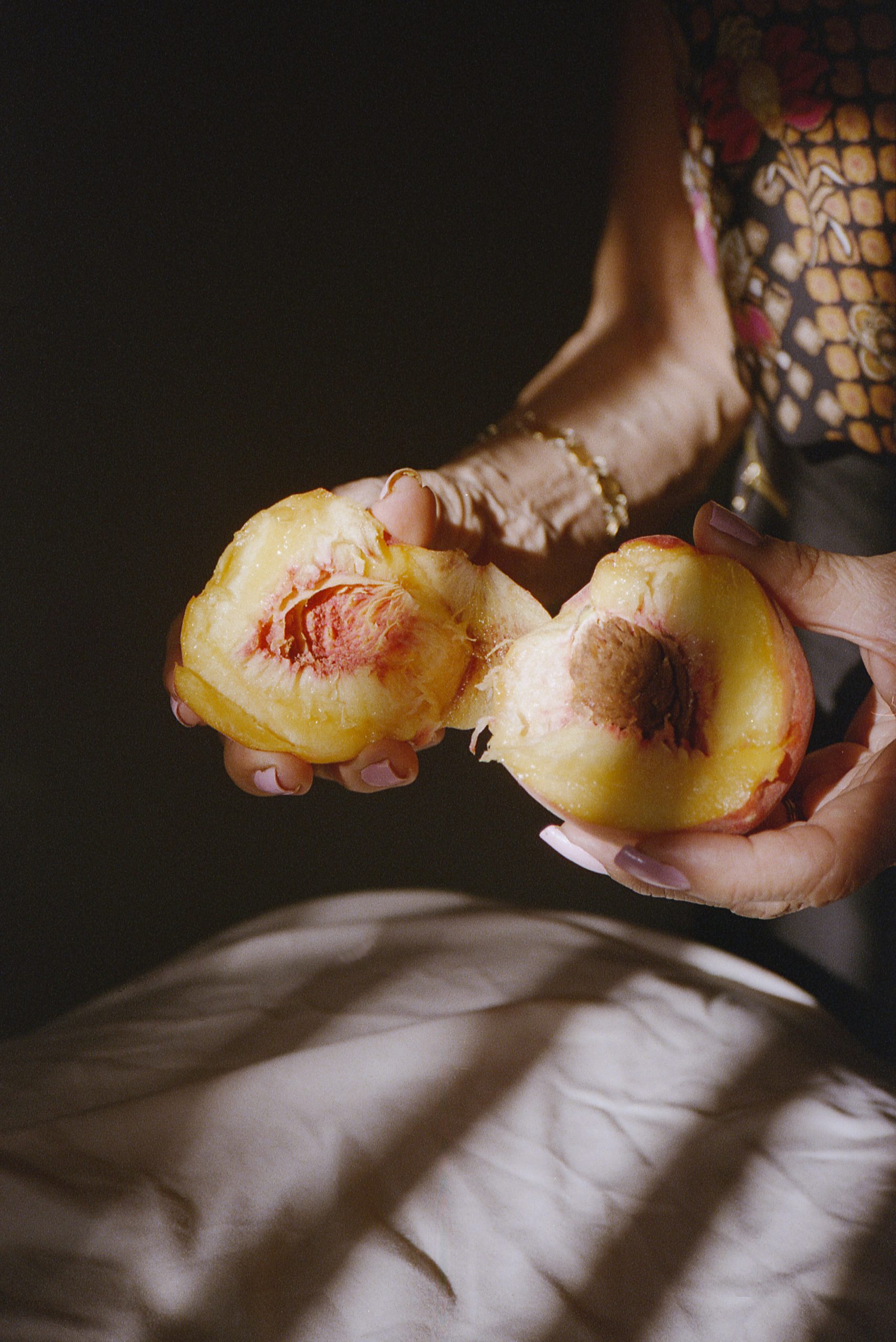
Alicia Vera, Untitled, 2024
It was hard. Some days, taking pictures felt impossible. I was overwhelmed by having to navigate her disease, her hygiene, hallucinations, behavioral changes, and also having to carry my own private grief. I’d cry quietly in my room, hoping she wouldn’t hear me. It was a strange paradox: My mom was disappearing, yet her instinct to comfort me remained strong. I never wanted her to feel guilty for what she was putting us through.
On other days, I’d clean up her bedroom. Its disarray was like a painful metaphor for what was going on in her brain. Among the clutter, I’d find items that later became part of this project: handwritten notes, prayer cards, scraps of yarn, drawings, and images from her childhood. These objects offered clues into who she was — her past and her present.
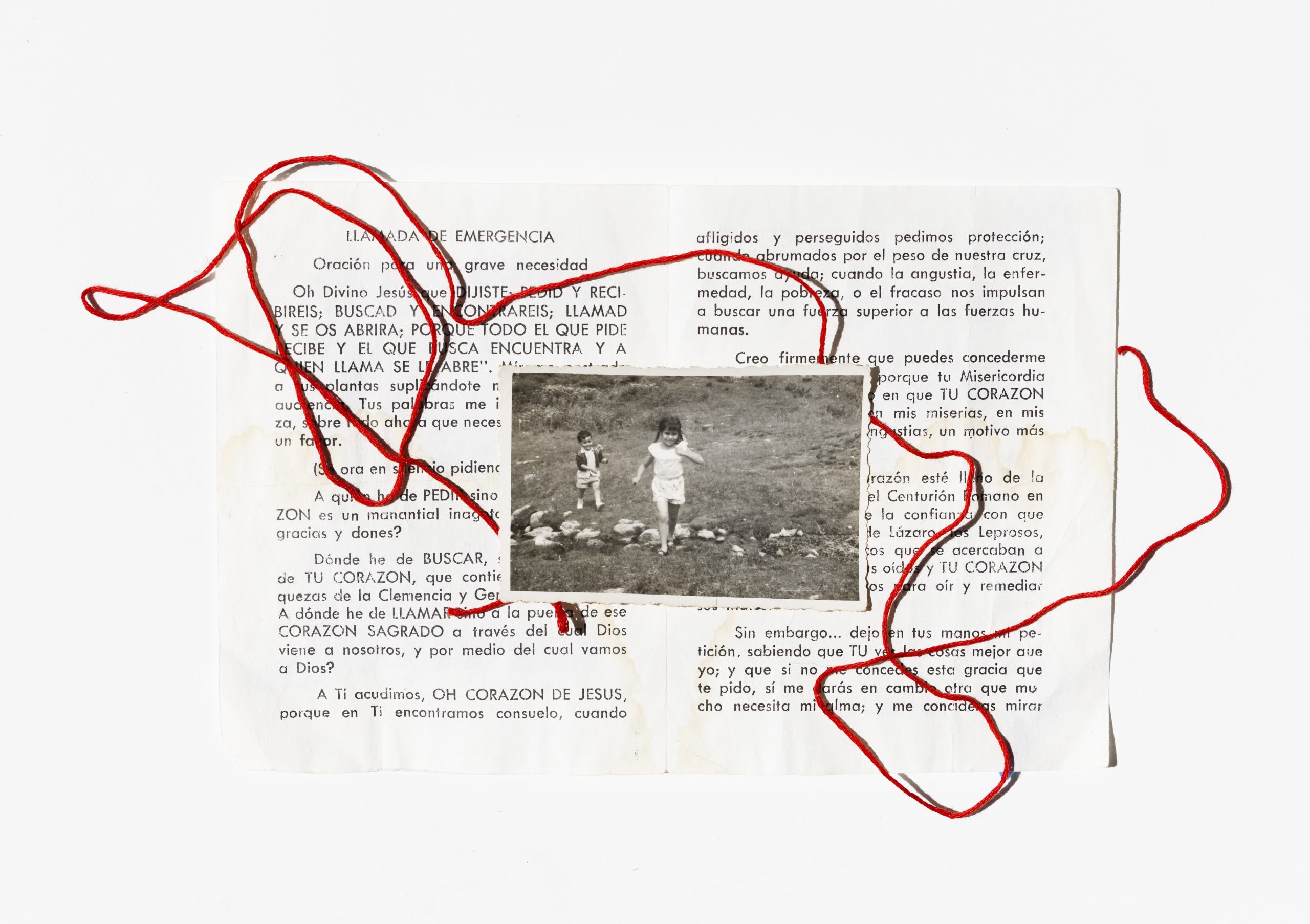
Alicia Vera, Untitled, 2024
Throughout the years, I began to receive text messages from multiple family members expressing concern about my mom’s mental state. / My mom (right) and her sister in Mexico City, Mexico.
Throughout the years, I began to receive text messages from multiple family members expressing concern about my mom’s mental state. / My mom (right) and her cousin in Mexico City, Mexico.
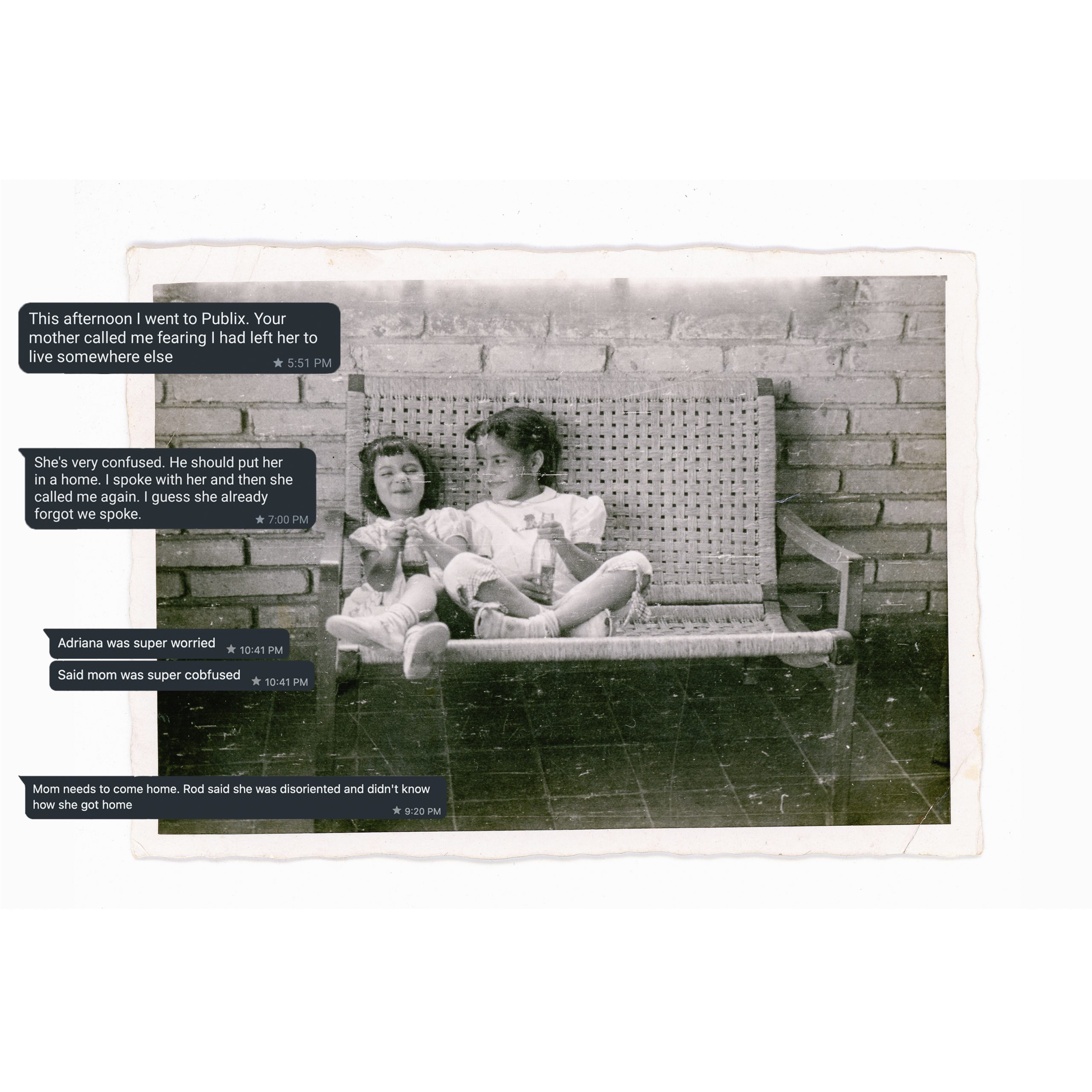
Alicia Vera, Untitled, 2024
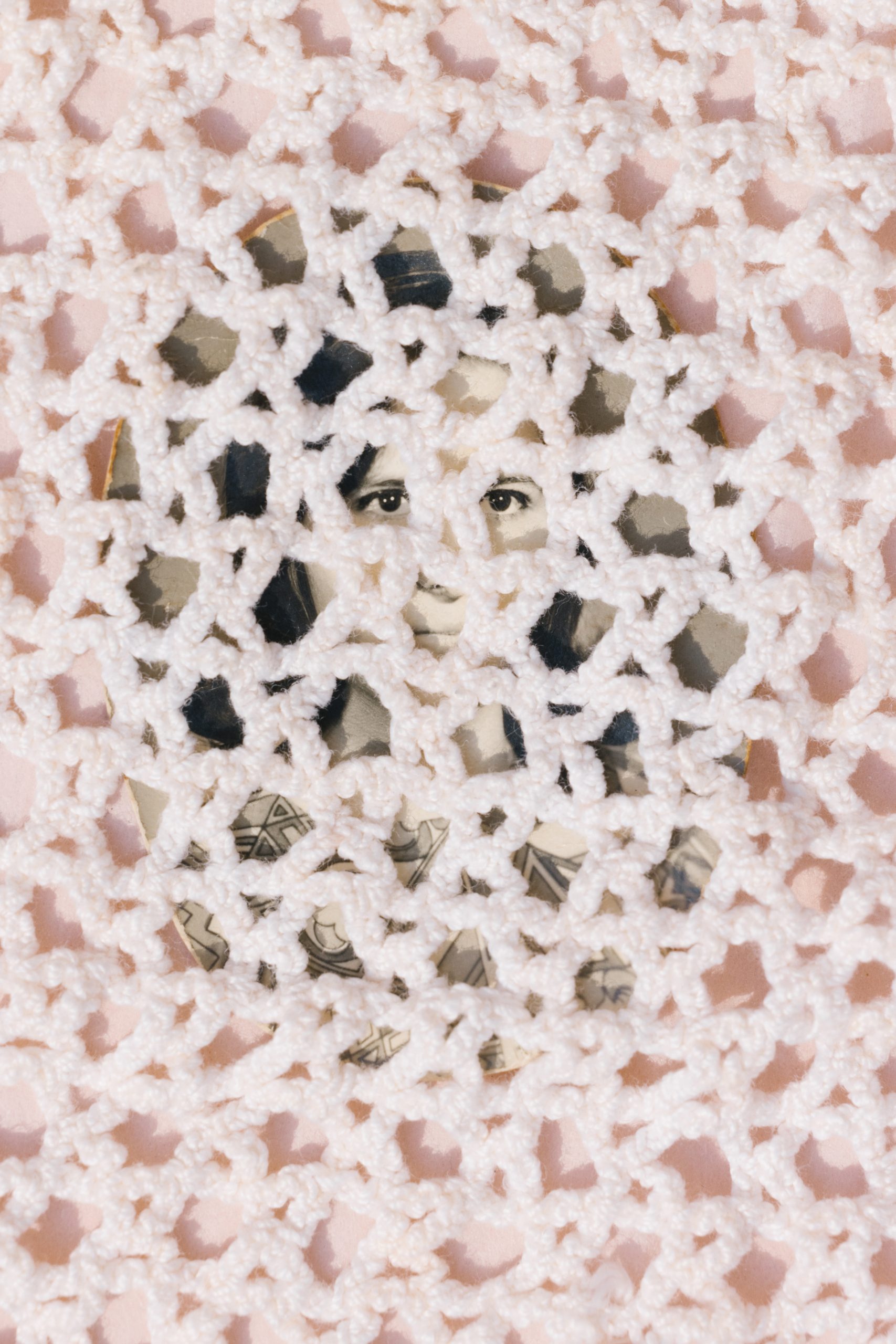
Alicia Vera, Untitled, 2024
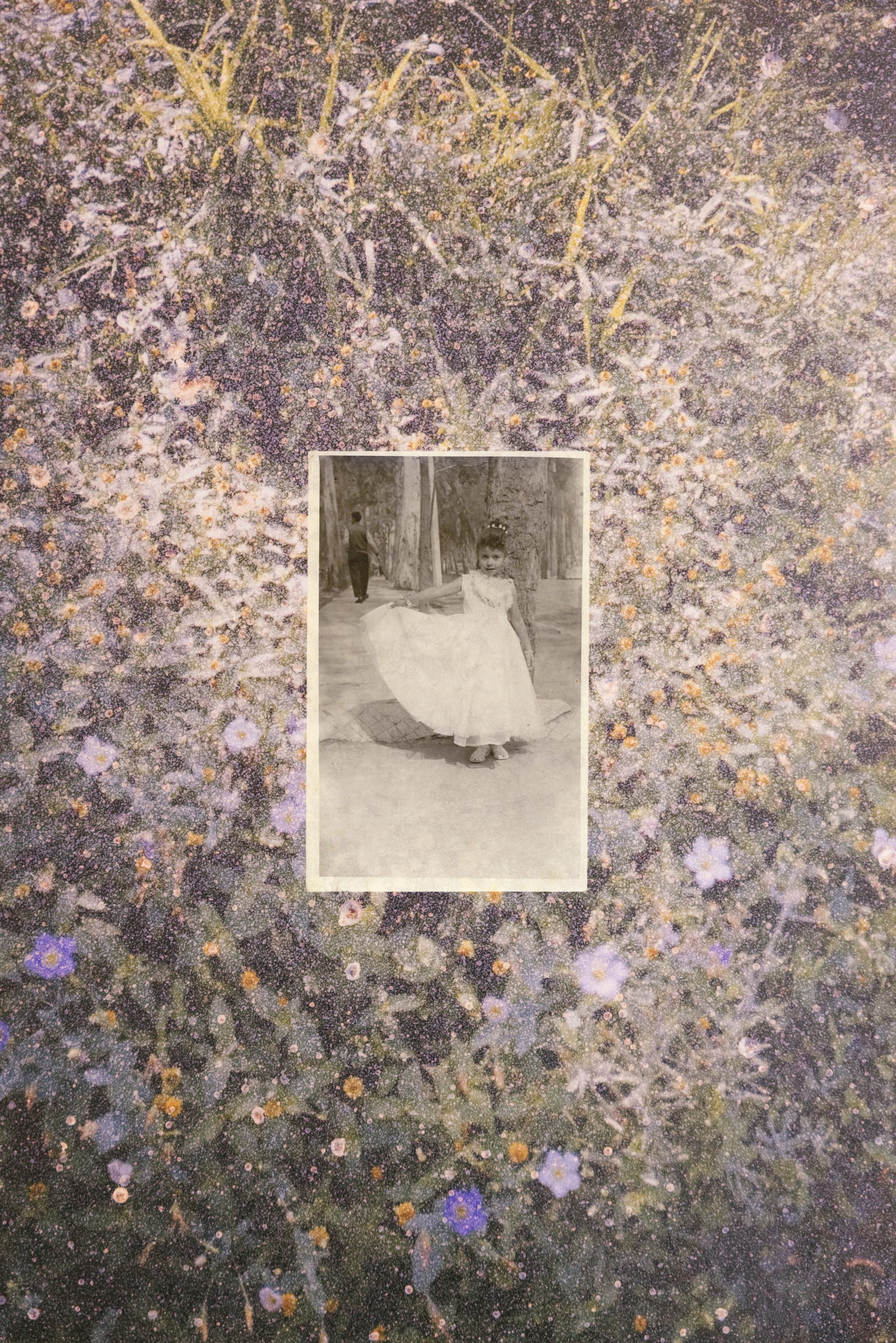
Alicia Vera, Untitled, 2022
Mom, as a child, poses for a portrait in Mexico City.
This body of work, now titled Va a Llover Toda La Noche (It’s Going to Rain All Night) after a note my mom left on my door, is not something I ever wanted to create. I would have preferred a long, healthy life for my mom. I would have preferred more time to rebuild our bond, even if it meant growing pains and disagreements. But life doesn’t always give us what we want.
Taking a step back, I’ve come to see that this project exists not only to honor my mother, our relationship, and the depth of my feelings, but also to reach others who are navigating similar experiences.
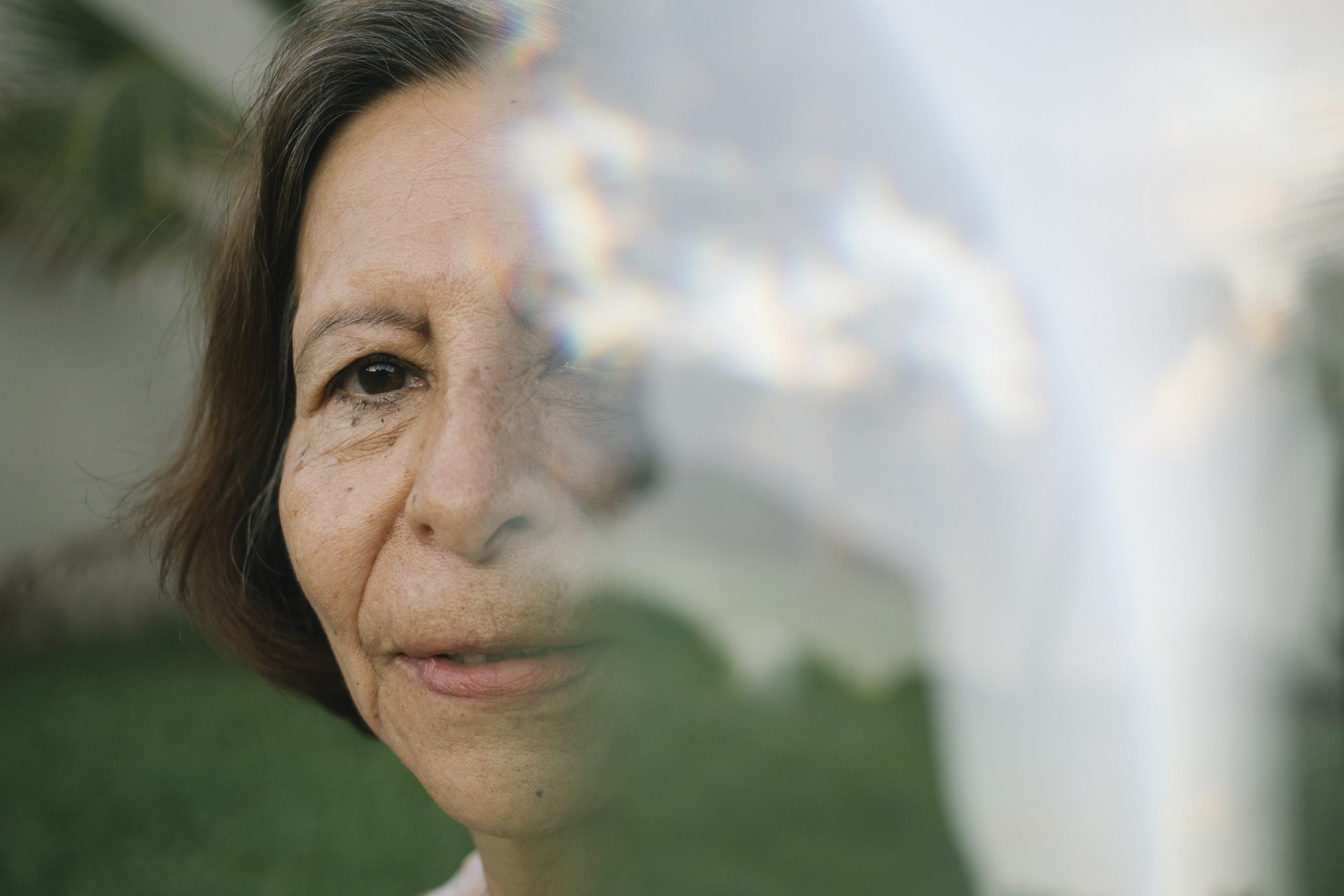
Alicia Vera, Untitled, 2021
These days, though I continue to sit with sadness, I also know I’m doing the best I can. Working on this project has not only helped me process my grief, but it’s also taught me to be truly present with my mom — something we so often take for granted. In witnessing her, I’ve learned how to stay grounded in moments of tenderness, even as the ground shifts beneath us.
This isn’t the story I envisioned for us. But in some unexpected way, through the process of documenting and grieving and showing up, we are rebuilding that bond. I’ve never felt closer to her.
And that, I wouldn’t trade for anything.
Alicia Vera is a photographer based between Mexico City & Miami, Florida. Through her work, she explores human connection and emotional depth through the lens of family, mental health, and contemporary culture while further understanding herself and others' experiences in the process. She is part of Women Photograph and Diversify Photo.