Edge of Utopia
Growing up in a rural commune
Gabriel Berent
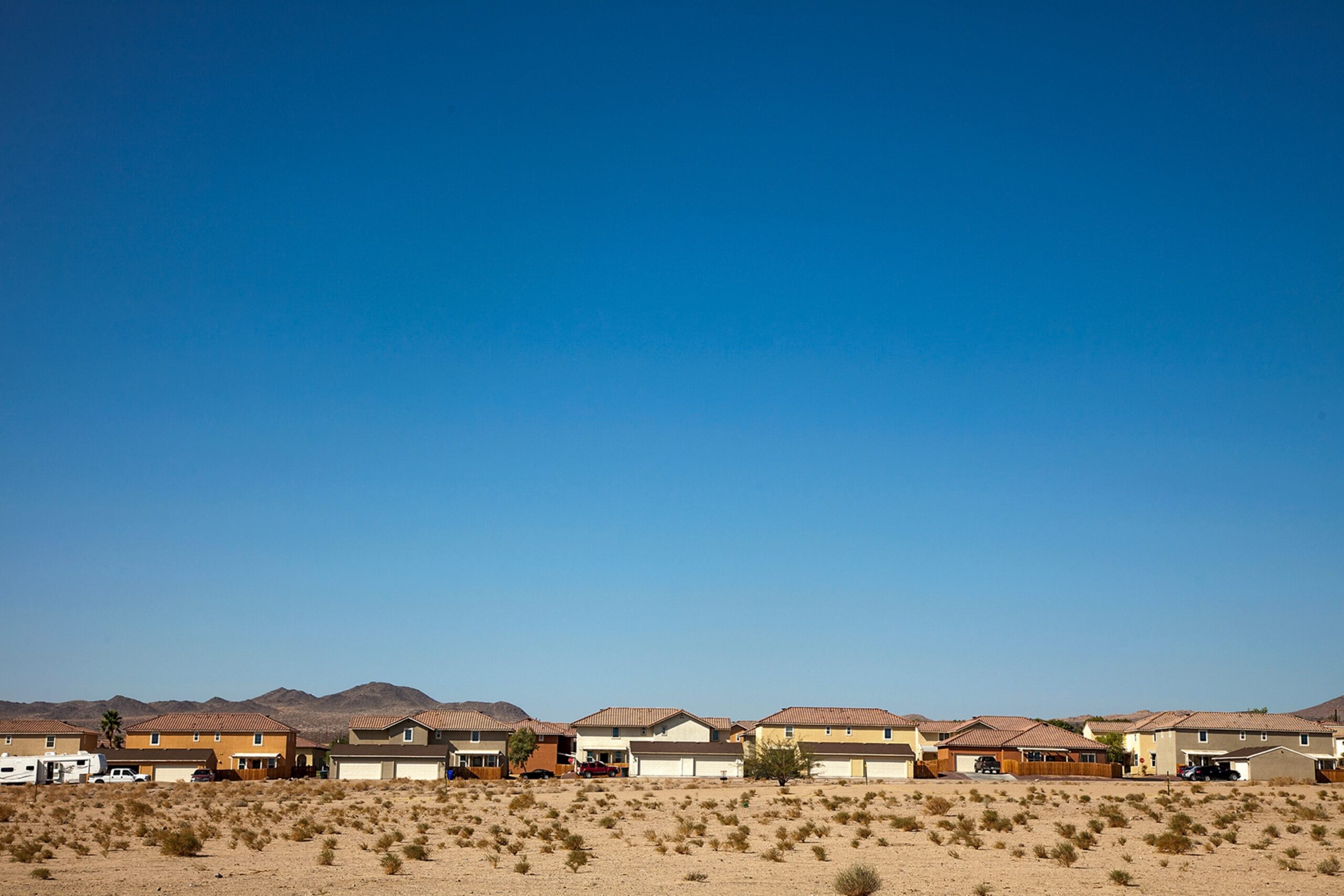
I arrived at Fort Irwin, California, a remote Army base in the high desert, in 2013, not knowing much about military life. Fort Irwin is the National Training Center for US Army troops right before they deploy, and in 2013, it was still the height of the war in Afghanistan. While I was riding my bike on a desert road, a military convoy passed me. Grandparents at a playground signed “helicopter” to a toddler when a Chinook flew overhead. It was surreal to step into this world.
One day, my husband, John, brought home night vision goggles. With this device of war, I examined my new domestic space, which was surrounded by military objects. I remember Googling “military life,” “military spouse,” and “military families,” and what came up was a lot of homecomings and patriotic images. They didn’t feel like my new life in this world. So I started making my own pictures in order to engage with and learn more about this community. I met a lot of women caring for children and each other. Military spouses (95% of whom are women) often raise children alone, away from their support systems, because family separation is a constant in this life.
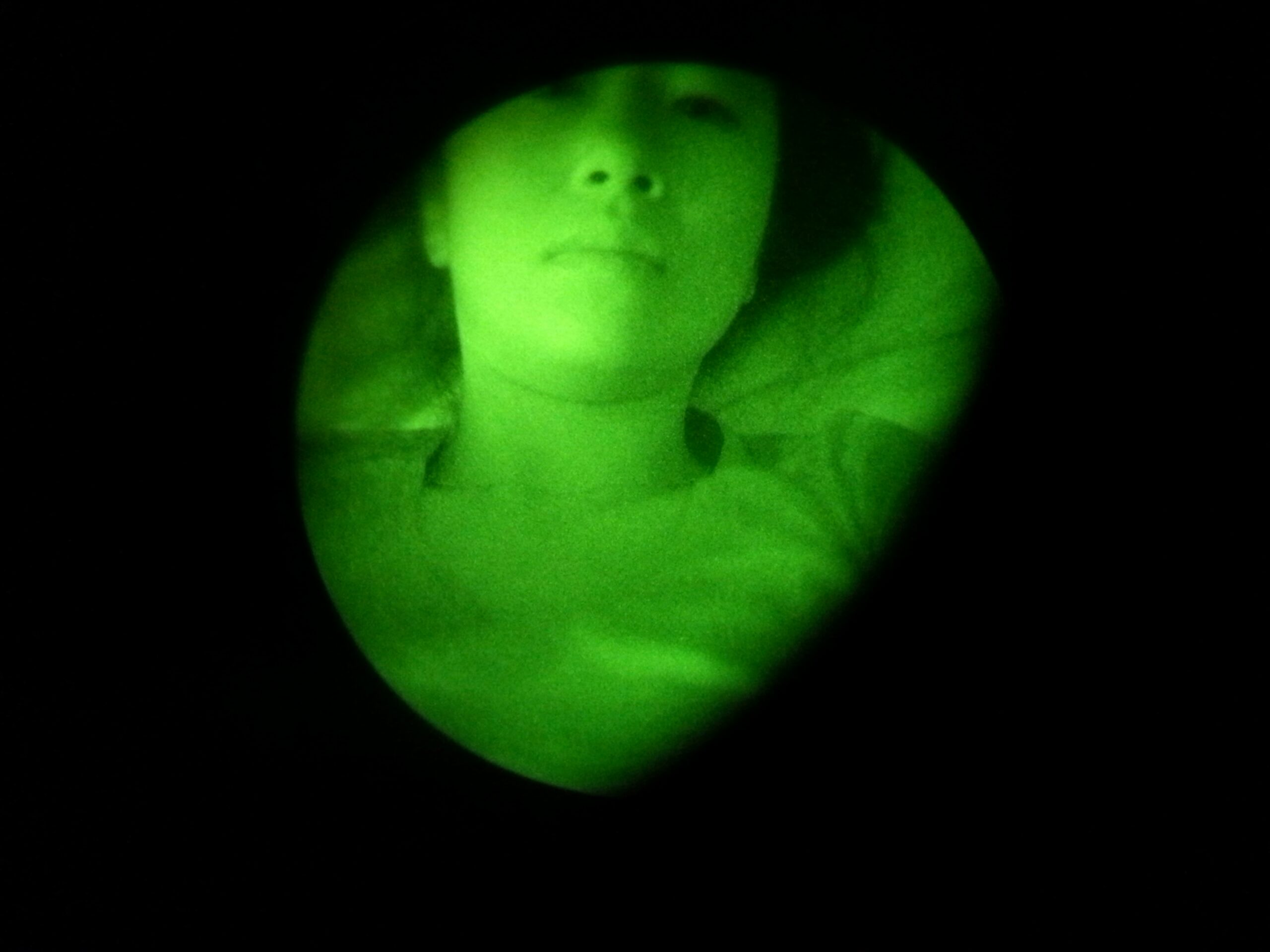
Arin Yoon, Self-portrait through John Principe’s night vision goggles, San Bernardino, CA, 2012
With this device of war, I began to explore my domestic space and my role in this military structure.
My friend Cheyenne went into labor in the middle of the night while her husband was on a long assignment to Guantanamo Bay. I had only witnessed my own children’s births, and I wanted to document Kaila coming into the world. Cheyenne’s two friends drove her and her two children to the birthing center, and I witnessed them supporting her in her birth journey by giving her massages, walking with her, holding her hand, telling jokes, caring for her children, breathing with her, and making sure she was not alone.
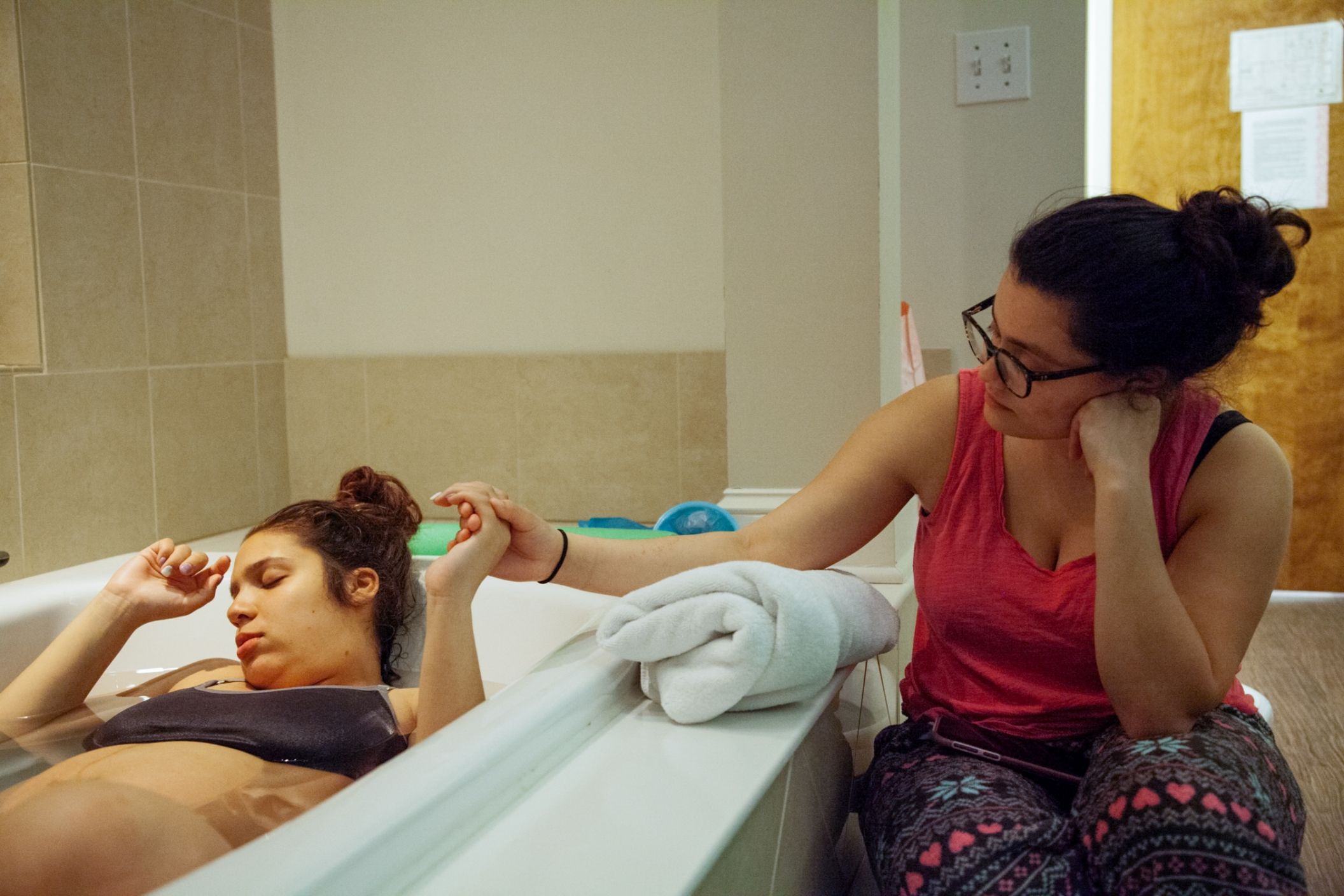
Arin Yoon, Lesli Wassman holds Cheyenne Croney’s hand while laboring, Kansas City, KS, 2020
My children were both toddlers when John deployed to Afghanistan. They would often see a man with a similar build in uniform at the grocery store or around town and call out, “Daddy!” Sometimes the soldier didn’t resemble John at all, but the uniform carried a sense of him. I wanted to create a photo series called Every Soldier My Kids Call Daddy, but I was too exhausted to carry my camera gear and my baby gear, while approaching strangers and convincing my toddlers to pose for photos.
During this time, I often dreamt there was this perfect moment that I wanted to capture, but I didn’t have my camera, or it didn’t work. When I could catch my breath again, I finally made some portraits of my children’s father figures when John was away on assignments.
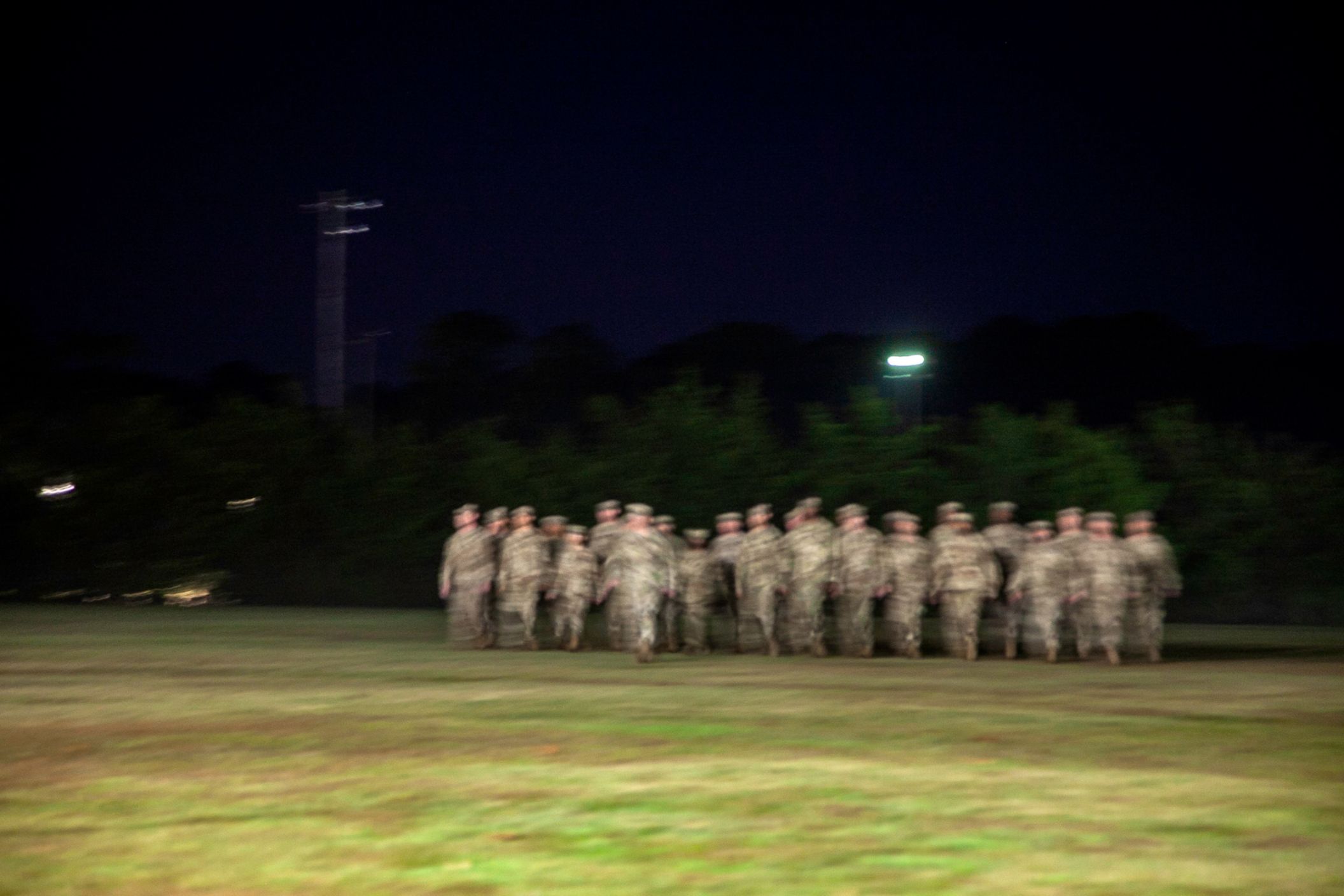
Arin Yoon, Homecoming, Fort Stewart, GA, 2018
They arrive in the middle of the night. Eyes sleepy, searching for their families. They look like ghosts — in this space between deployment and home. Some of the soldiers are crying. Maybe it’s just mine.
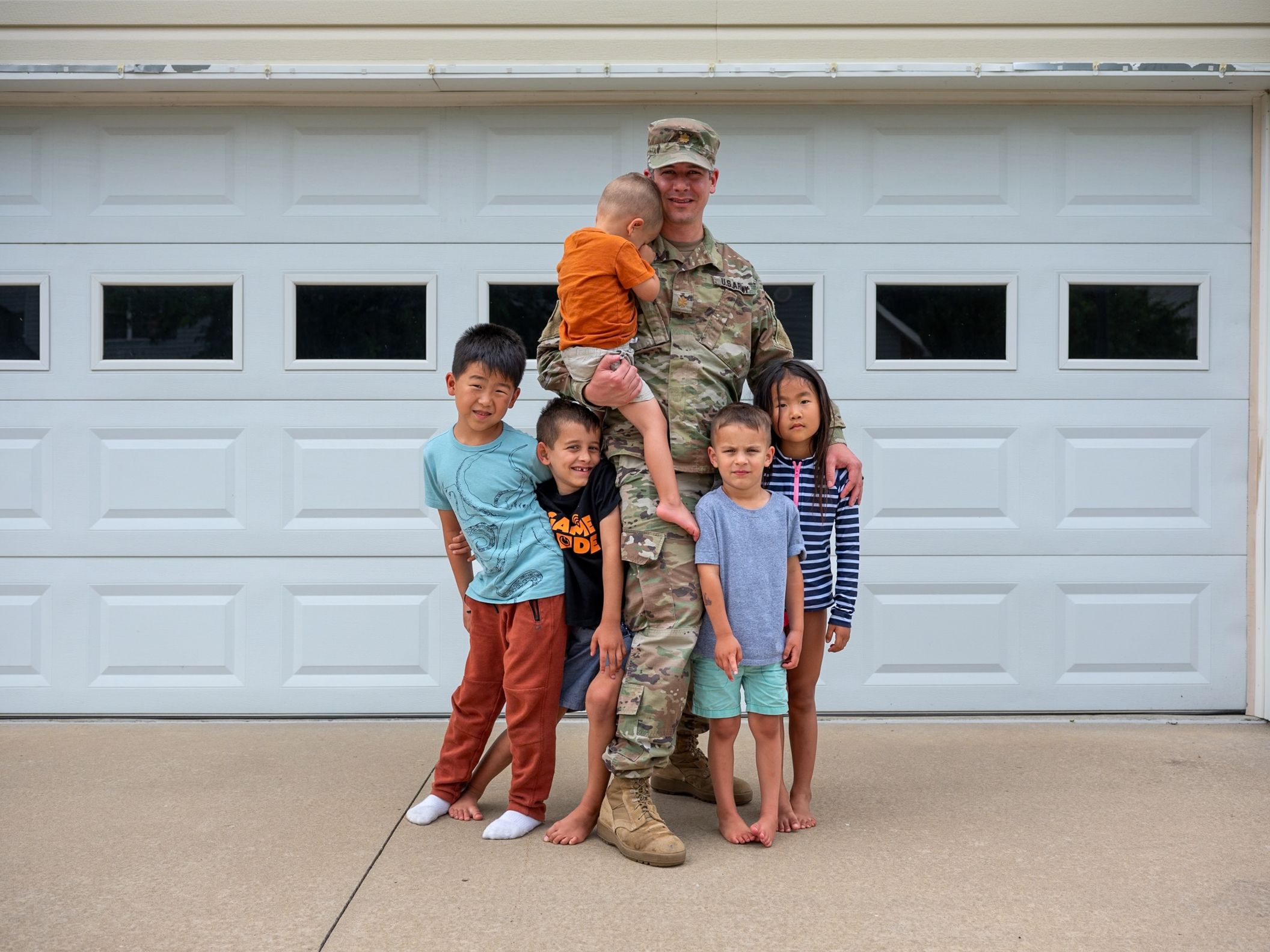
Arin Yoon, Our neighbor, Major Anthony Joyce, poses for a portrait with his children and mine, Fort Leavenworth, KS, 2022
It is in the small gestures that I find the most care. When John has been away, without me having to ask, someone has mowed our lawn or left a meal on our porch. The “neighborhood dads” have fixed my children’s bikes, bought the kids ice cream, and carried them on their shoulders. On our community Facebook page, people will post, “I need a ride to the airport,” or “I’m feeling overwhelmed parenting. Can someone please watch my kids for a few hours?” There are always people willing to help.
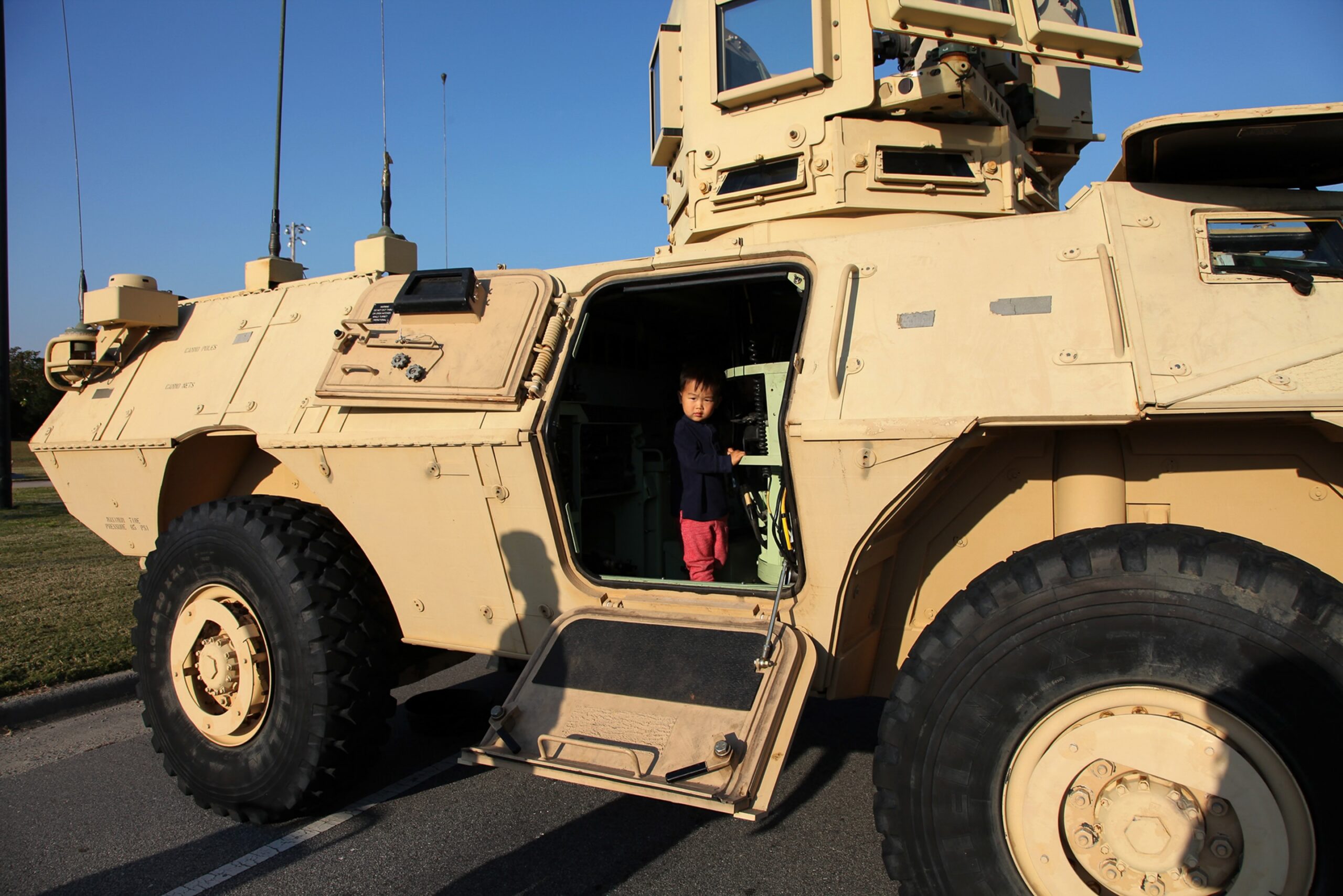
Arin Yoon, Teo Principe climbs in a 1117 Armored Security Vehicle during a family day visit, Fort Stewart, GA, 2016
Imagery of children with objects associated with the military, such as this vehicle, can easily be politicized. But for me, this photo just represents my son getting a glimpse at what his dad does in the Army, especially when he is away.
The war doesn’t end when you return home. It comes to you in your dreams, in your reactions and interactions. After a combat deployment, John used to talk in his sleep. “Release the helicopters.” “We have to find an escape route.”
It was not until recently that the children were old enough to notice the scar on his right shoulder. “Will Daddy get shot by a sniper again?” my youngest, Mila, asked. I began thinking about the trauma that we inherit through John’s experiences with war. I don’t recall at what point I realized that John had poor hearing. Service members are at a greater risk of hearing loss than their civilian counterparts due to repeated exposure to high-intensity noise, such as small arms fire and explosions during training exercises and deployments. It’s something I became accustomed to, and now my children have, too. I wanted to make a photograph of John’s hearing aid, which, for me, symbolized this secondary trauma. When our son, Teo, drew close to his ear, his face close enough for John to feel the warmth of his breath, I knew this was the photograph that I was trying to make.
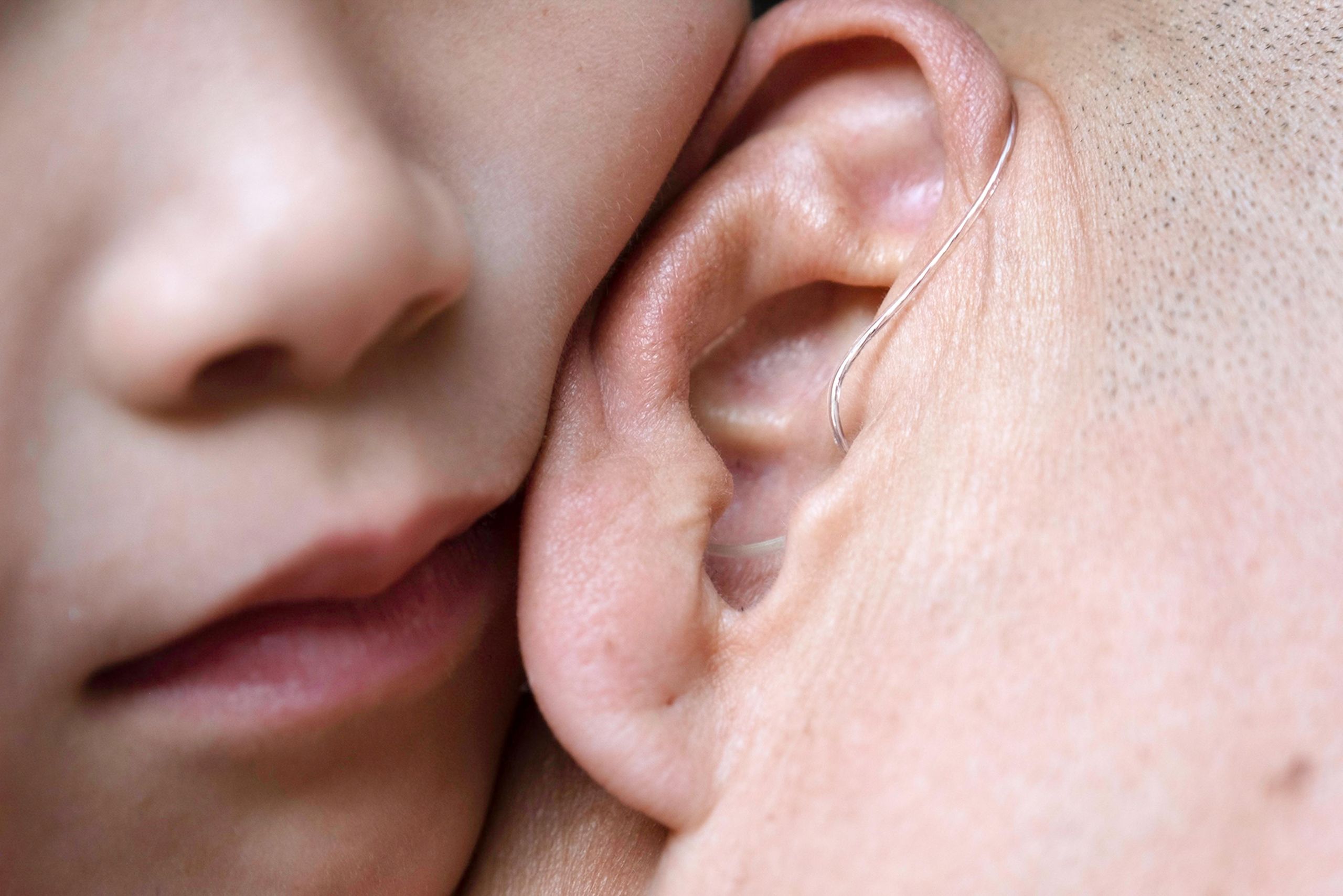
Arin Yoon, Teo Principe draws close to his dad’s ear, Fort Leavenworth, KS, 2021
I have been working on this project for 12 years now. At one point, I realized I was no longer an outsider. There is a strong sense of purpose that binds this community together. When my children hear the sounds of retreat at 5 p.m. each day, they stop playing, face in the direction of the flag that is being lowered, which is not visible to them, and they hold still. As do the other children and the moms and dads who make up this community, one that not only supports our nation’s defense efforts, but also our efforts in our daily lives to be the best we can be to each other.
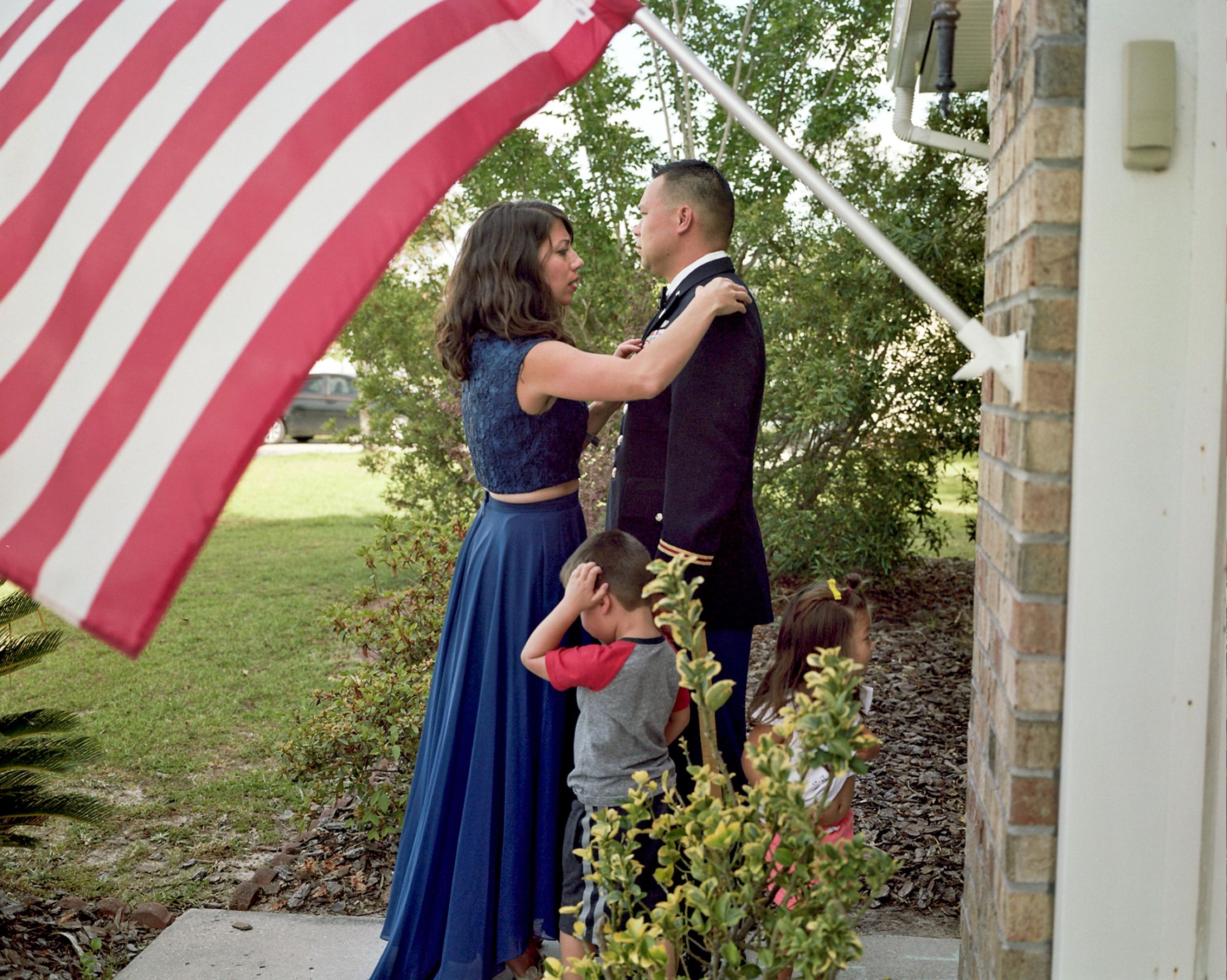
Arin Yoon, Dana Abella fixes her husband, Major John Abella’s uniform, before the Army ball, Savannah, GA, 2018
Arin Yoon (윤아린) is a Kansas City-based Korean American documentary photographer and National Geographic Explorer whose work focuses on the military community, trauma and healing, notions of family, and issues of identity and representation. Arin's personal work has been published on CNN, National Geographic, NPR, The New York Times, and is a part of the public collection at The Library of Congress and The Archive of Documentary Arts at Duke University’s Rubenstein Rare Book & Manuscript Library. You can see her work at arinyoon.com.
Growing up in a rural commune
Gabriel Berent
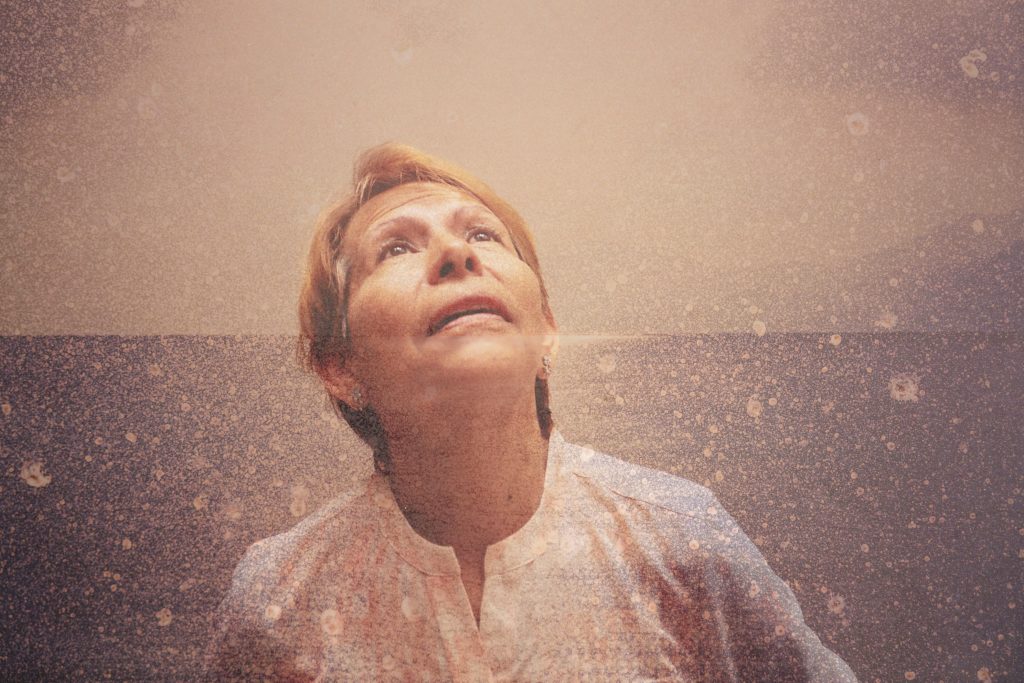
Intimate portryal of a daughter navigating her mother's Alzheimer's diagnosis
Alicia Vera
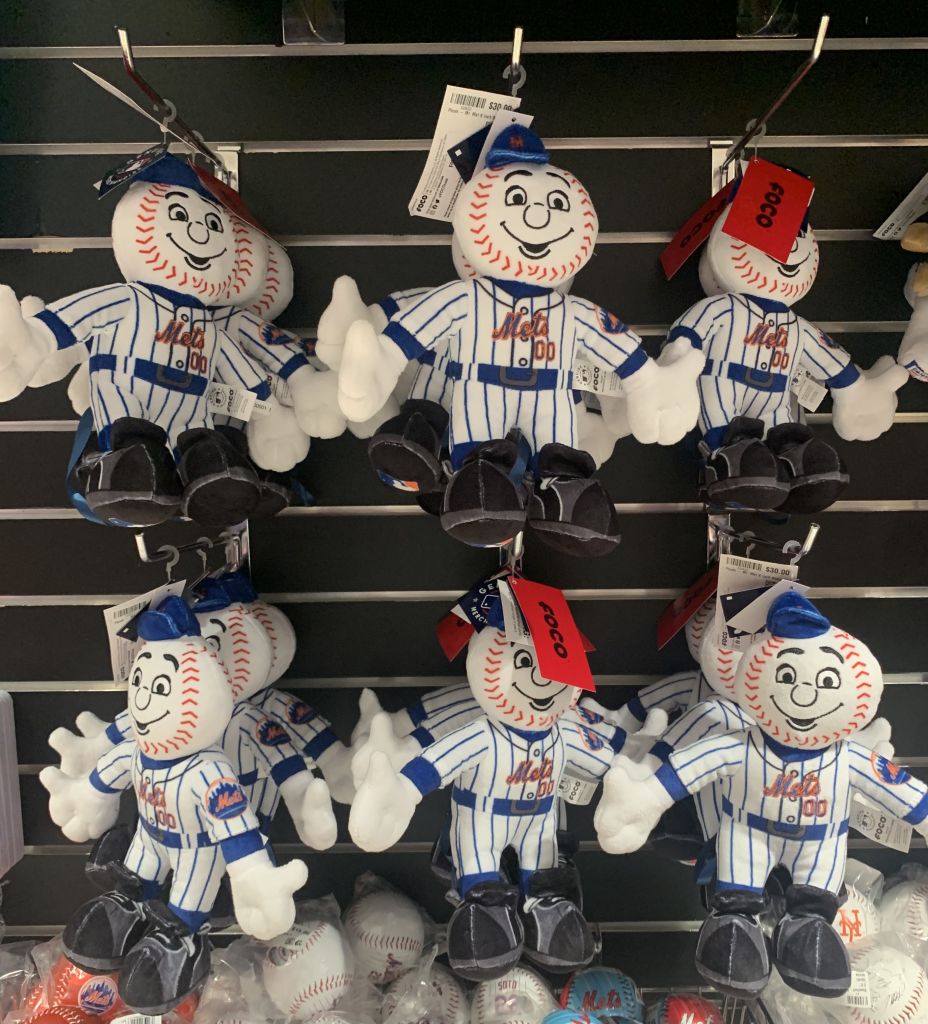
Baseball as a framework for human connection
Jay Goldberg